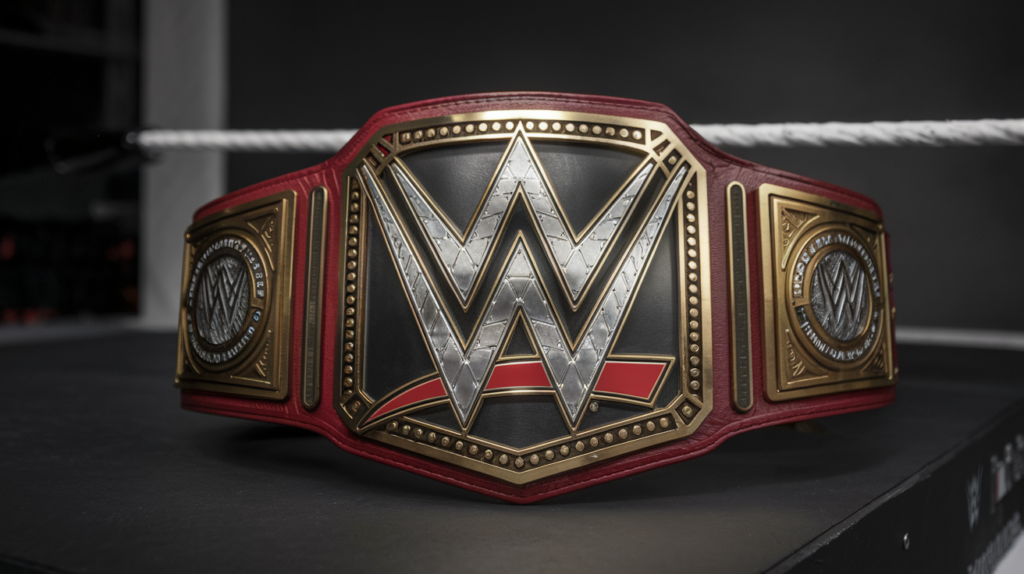
WWE Raw continues its position as professional wrestling’s longest-running weekly episodic television show, delivering three hours of sports entertainment that remains a cornerstone of the industry. Based on aggregated public opinion from wrestling journalists, dedicated fans, and casual viewers, this comprehensive review examines how the flagship program has evolved through 2025.
Show Format and Presentation
Raw maintains its three-hour format, a duration that generates ongoing debate within the wrestling community. The expanded runtime allows for multiple storylines and match types each week, but critics consistently note that pacing issues occasionally plague the broadcast. Recent episodes have shown efforts to streamline content, with more focused segments and reduced filler material.
The production values remain high, with WWE’s signature polished presentation featuring dynamic camera work, pyrotechnic-heavy entrances, and state-of-the-art lighting. The commentary team attempts to balance storyline advancement with match calling, though viewer opinions vary on their effectiveness.
Show Specifications
Program Details
| Network | Netflix (as of 2025) |
| Runtime | 3 hours (180 minutes) |
| Format | Weekly live episodic television |
| Primary Championships | World Heavyweight, Women’s World, Intercontinental |
| Current Era | Netflix Era / Post-Brand Split |
| Primary Roster | Raw-exclusive talent |
| Broadcast Day | Monday nights |
Strengths and Weaknesses
✓ Strengths
- Strong in-ring product with diverse match styles
- Deep roster of established and emerging talent
- High production values and presentation
- Consistent weekly content delivery
- Long-term storytelling investment
- Historic legacy and brand recognition
✗ Weaknesses
- Three-hour runtime often feels excessive
- Repetitive match-ups and rematches
- Inconsistent storytelling quality
- Over-scripted promos lack authenticity
- Mid-card talent underutilization
- Commercial break timing disrupts flow
In-Ring Product Analysis
Recent episodes have featured competitive matches that showcase the athletic capabilities of the roster. Women’s division matches receive particular praise for their physicality and storytelling, with competitors like IYO SKY, Rhea Ripley, and Liv Morgan delivering consistently strong performances.
The men’s division balances established veterans like CM Punk and Seth Rollins with rising stars including Bron Breakker and Penta. Tag team wrestling shows signs of revitalization, with The Usos and new pairings providing variety to the match lineup.
Viewer feedback suggests that main event matches typically deliver satisfactory in-ring quality, while mid-card bouts sometimes suffer from abbreviated runtimes that prevent proper development.
Storyline Development
Current storylines reflect WWE’s renewed focus on long-term character arcs. The Bloodline saga continues to evolve with new members and shifting allegiances, while championship pursuits provide clear narrative direction. The Judgment Day faction remains a dominant force, generating consistent heat through their interference tactics.
However, some viewers express frustration with storyline repetition and the tendency to revisit familiar feuds. The creative team’s challenge of maintaining freshness across 52 annual episodes remains evident in occasional creative lulls.
Comparison with WWE SmackDown
| Show | Runtime | Primary Focus | Current Strength |
|---|---|---|---|
| Raw | 3 hours | In-ring action | Women’s division |
| SmackDown | 2 hours | Storyline advancement | Main event scene |
| NXT | 2 hours | Developmental | Fresh talent |
| AEW Dynamite | 2 hours | Alternative wrestling | Tag team division |
Viewer Response Patterns
Audience sentiment analysis reveals a dedicated core viewership that remains invested despite occasional criticism. Social media engagement peaks during major storyline developments and championship changes, indicating strong emotional investment from the fanbase.
Common praise centers on specific talent performances and memorable match moments. Recurring complaints focus on repetitive booking decisions, excessive commercial breaks, and the three-hour runtime that many viewers consider unsustainable for weekly viewing.
The move to Netflix has generated discussion about potential format changes, with many hoping for a return to two-hour broadcasts or more focused storytelling.
Final Verdict
WWE Raw earns a 7.0/10 based on aggregated public opinion. The show remains essential viewing for wrestling fans despite its flaws, offering consistent weekly content that occasionally delivers exceptional moments. The three-hour format continues to drag overall quality, but the roster depth and production values maintain Raw’s status as a professional wrestling institution.
Recommended for dedicated wrestling enthusiasts and casual viewers interested in mainstream sports entertainment. Those with limited time may prefer condensed highlight packages or selective episode viewing based on advertised matches.
What’s your take on WWE Raw’s current product? Share your favorite moments and criticisms in the comments below.
You Might Also Like
- Best Movies & TV Reviews – Our complete movies & tv guide
- Best Movies & TV Reviews 2026: From Blockbusters to Indie Gems
- My Mother’s Wedding Review: Real User Experiences
- Video Games – Related reviews
- Electronics & Tech – Related reviews