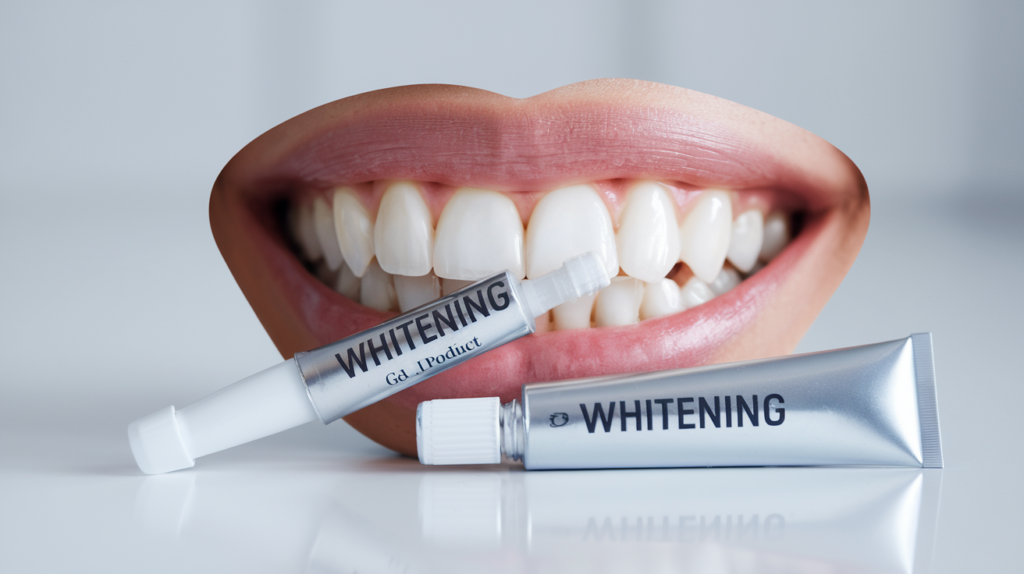
The at-home teeth whitening market has grown exponentially, with consumers seeking professional-level results without dental office visits. Among the heavily advertised options, one product has generated considerable discussion through aggressive marketing claims and mixed consumer experiences. This comprehensive analysis examines the formulation, effectiveness, and business practices surrounding this controversial whitening system.
Product Mechanism and Active Ingredients
The whitening system centers on a proprietary gel formulation designed for dual-use application. The product’s primary active ingredient is hydrogen peroxide at a 12% concentration—positioned between typical over-the-counter strips and professional dental treatments. The manufacturer employs what they term “Polyclean technology,” which generates an ultra-fine foam intended to carry whitening agents into microscopic tooth crevices for comprehensive stain removal.
The application method involves adding the gel directly to standard toothpaste before brushing, integrating whitening into existing oral care routines without requiring additional time commitments or complicated procedures.
Product Specifications
- Active Ingredient: 12% hydrogen peroxide
- Technology: Polyclean foam system
- Application: Add to toothpaste before brushing
- Duration: 30 days typical treatment cycle
- Available Sizes: Various (30-day, 90-day supplies)
Examining the Marketing Claims
The manufacturer prominently advertises achieving “six shades whiter” teeth within a 30-day period. However, investigation into the supporting clinical data reveals significant discrepancies between marketing language and verified results. The six-shade claim originates from a preliminary study involving merely ten participants—a sample size insufficient for statistically significant conclusions.
A more substantial clinical trial involving 52 participants demonstrated an average improvement of three shades over seven days. While still representing visible change, this outcome falls notably short of the advertised promise. Real-world consumer experiences vary substantially, with many users reporting minimal to no perceptible whitening after completing full treatment cycles.
Reported Side Effects and Safety Concerns
Consumer feedback reveals concerning patterns of adverse reactions beyond mere ineffectiveness. Commonly reported issues include gum irritation, heightened tooth sensitivity, and in rare but documented cases, structural damage to tooth enamel. One particularly alarming report described teeth crumbling following extended use, requiring expensive restorative dental work including crowns.
The hydrogen peroxide concentration, while lower than professional dental treatments, lacks the protective measures and professional supervision that make clinical whitening relatively safe. Users with pre-existing dental conditions, weakened enamel, or sensitivity issues face elevated risk profiles.
- Simple integration into existing brushing routine
- No additional time commitment required
- Some users report modest whitening (1-2 shades)
- Available through multiple retail channels
- Marketing claims significantly exceed verified results
- High peroxide concentration increases sensitivity risk
- Reports of enamel damage and tooth structural issues
- Inconsistent real-world effectiveness
- Predatory subscription practices
The Subscription Model Problem
Beyond product efficacy concerns, the business model surrounding this whitening system has generated substantial consumer complaints across multiple platforms including the Better Business Bureau and Trustpilot. The central issue involves misleading subscription enrollment during what consumers believe are one-time purchases.
Customers frequently report selecting what appears to be a trial or single purchase—often priced attractively at $25—only to discover subsequent unauthorized monthly charges ranging from $40 to $90. Canceling these subscriptions presents extraordinary difficulties, with consumers describing hour-long hold times, non-functional online chat systems, missing password reset emails, and aggressive retention tactics when finally reaching representatives.
The severity of these complaints has driven some customers to cancel credit cards entirely to halt charges, while others report collection agency contact for products never ordered.
Comparative Market Analysis
| Factor | This Product | ADA-Approved Strips | Professional Treatment |
|---|---|---|---|
| Peroxide Concentration | 12% | Under 3% | 15-40% (supervised) |
| Typical Results | 0-3 shades | 2-4 shades | 4-8 shades |
| Sensitivity Risk | High | Moderate | Managed professionally |
| Cost Structure | Subscription trap risk | One-time purchase | Single upfront cost |
| Clinical Validation | Limited/small studies | Extensive testing | Proven protocols |
Alternative Recommendations
For consumers seeking safer, more reliable whitening options, dental professionals consistently recommend ADA-approved whitening strips bearing the official seal of acceptance. These products undergo rigorous testing for both safety and efficacy, with transparent marketing claims supported by substantial clinical evidence.
Professional dental whitening, while more expensive upfront, offers supervised application, customized treatment plans, and protective measures that minimize sensitivity and damage risks. The investment often proves more economical long-term compared to repeated purchases of ineffective over-the-counter alternatives.
Final Assessment
Overall Rating: 1.5/5
While the product’s basic formulation contains legitimate whitening ingredients and some users experience modest results, the combination of misleading marketing, safety concerns, and predatory business practices renders this product impossible to recommend. The subscription model appears designed to generate revenue through consumer confusion rather than product satisfaction.
Consumers seeking whiter teeth should prioritize ADA-approved alternatives or professional dental consultation. The potential risks—both dental health-related and financial—far outweigh any possible benefits this product might provide. The overwhelmingly negative consumer protection complaints and documented difficulties in canceling subscriptions represent serious red flags that prospective buyers should not ignore.
You Might Also Like
- Best Health & Wellness Reviews – Our complete health & wellness guide
- Best Health & Wellness Reviews: Supplements, Fitness & Medical Services
- Is Lean Drops Reviews Worth It?
- Beauty & Personal Care – Related reviews
- Food & Dining – Related reviews