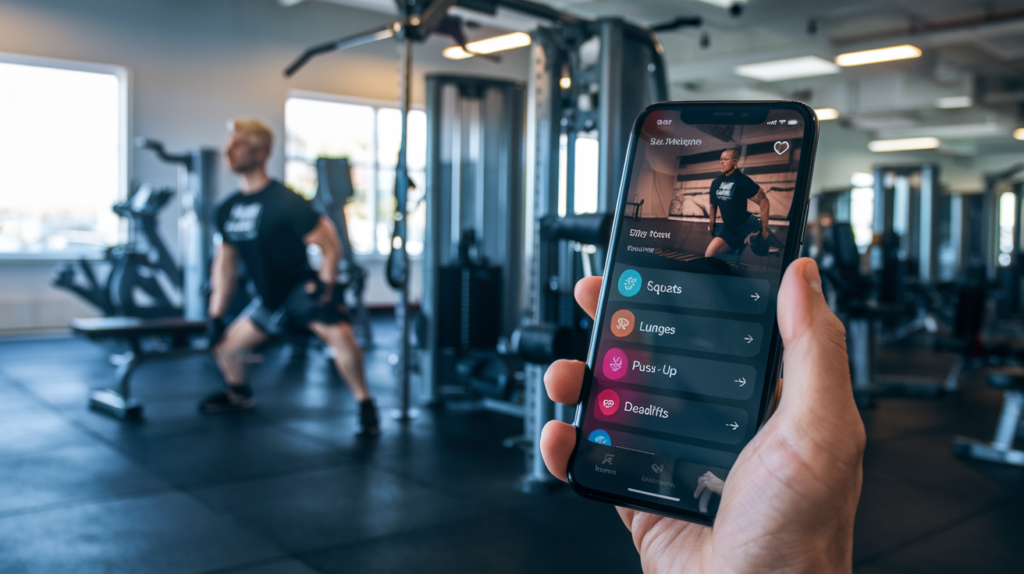
The fitness app market has exploded in recent years, with countless programs promising personalized workout plans and transformative results. MadMuscles enters this crowded space with aggressive marketing and bold claims about customized training. After extensive evaluation of the app’s features, programming quality, and user feedback, the reality proves significantly more complicated than the advertising suggests.
App Overview and First Impressions
MadMuscles presents itself as a comprehensive fitness solution offering personalized workout plans tailored to individual goals, experience levels, and available equipment. The onboarding process includes a questionnaire covering fitness history, target areas, and training preferences. Based on these responses, the app generates what it calls a “customized” program.
Initial impressions suggest a polished interface with clear exercise demonstrations and tracking capabilities. The app offers “extra-curricular” activities like achievement systems designed to boost motivation through gamification. However, digging deeper reveals significant issues with the core value proposition.
MadMuscles App Specifications
- Platform: iOS and Android
- Pricing: Subscription-based model
- App Store Rating: 4.7/5
- Google Play Rating: 3.0/5
- Trustpilot Rating: 1.3/5
- Features: Workout plans, exercise library, progress tracking, achievements
- Target Users: Beginner to intermediate fitness enthusiasts
The Personalization Problem
The central selling point of MadMuscles—personalized workout plans—falls apart under scrutiny. Multiple users report receiving identical programs regardless of their questionnaire responses. Someone training for muscle gain receives the same template as someone focused on weight loss. An experienced lifter gets the same routine as a complete beginner.
This lack of genuine customization undermines the entire value proposition. True personalization considers factors like training history, injury limitations, schedule constraints, and specific goals. MadMuscles appears to use the questionnaire as marketing theater rather than programming input, funneling most users into generic templates.
Exercise selection also raises concerns. The app includes movements like “tip-toe wall squats” substituted for traditional back squats, and suggests push-ups as replacements for bench press rather than complementary exercises. For experienced trainees, these substitutions seem arbitrary and potentially less effective than standard alternatives.
Programming Quality Assessment
From an exercise science perspective, MadMuscles programming shows significant limitations. Workout plans lack periodization—the systematic variation of training variables that drives long-term progress. Without proper progression schemes or deload weeks, users may plateau quickly or risk overuse injuries.
Exercise variety also proves limited, particularly for specialized goals. Users seeking back and glute development report difficulty finding appropriate programming. The app’s focus appears skewed toward anterior chain movements (chest, shoulders, abs) rather than balanced full-body development.
Instruction quality varies dramatically. While some exercises feature clear demonstrations, others lack the detail necessary for safe execution. Beginners particularly need comprehensive guidance on form, breathing, and common mistakes—areas where MadMuscles provides inconsistent coverage.
| Feature | MadMuscles | Industry Standard |
|---|---|---|
| True Personalization | Limited | Comprehensive |
| Periodization | Minimal | Structured |
| Exercise Library | Moderate | Extensive |
| Form Instruction | Inconsistent | Detailed |
| Progress Tracking | Basic | Comprehensive |
| Cancelation Process | Problematic | Transparent |
User Experience Issues
Beyond programming concerns, MadMuscles suffers from significant user experience problems. The most frequently reported issue involves subscription management. Users consistently describe difficulty canceling their memberships, with reports of unexpected charges, unclear cancellation procedures, and poor customer service responsiveness.
Common complaints include:
- Impossible cancellation within the app interface
- Additional charges after attempted cancellation
- Confusion about whether cancellation succeeded
- Unresponsive customer support channels
These issues suggest business practices that prioritize retention over customer satisfaction—a red flag for any subscription service.
Advantages
- Polished, user-friendly interface
- Exercise demonstration videos included
- Gamification elements provide motivation
- Works for basic fitness maintenance
- Relatively affordable compared to personal training
Limitations
- Personalization claims are misleading
- Questionnaire doesn’t affect programming
- Limited exercise variety for certain goals
- Poor programming for progressive overload
- Severe cancellation and billing issues
- Inconsistent form instruction quality
Marketing vs. Reality
MadMuscles’ advertising creates expectations the product fails to meet. Promises of “personalized workout plans” and “real results” suggest individualized coaching that simply doesn’t exist. The aggressive social media marketing targets users who may not have the knowledge to evaluate fitness programming quality.
For true beginners, the app provides enough structure to establish a basic fitness habit. The simple act of following any consistent program yields initial improvements. However, users with specific goals, injury histories, or experience beyond the novice level will likely find MadMuscles inadequate for their needs.
Competitive Comparison
Compared to established alternatives, MadMuscles struggles to justify its value proposition. Apps like JEFIT or Strong offer superior exercise libraries and progress tracking. Free resources like Fitness Wiki or r/Fitness provide better programming education. Even other commercial apps like Freeletics or Nike Training Club deliver more genuine personalization.
The price point might seem reasonable compared to personal training, but the value equation changes when considering the abundance of higher-quality alternatives available for similar or lower costs.
Final Verdict
MadMuscles exemplifies the gap that often exists between fitness marketing and fitness reality. The app’s polished presentation and aggressive advertising create expectations of personalized, professional-grade programming that the actual product fails to deliver.
For absolute beginners seeking basic structure, MadMuscles might provide enough value to justify a short-term subscription—provided they carefully monitor billing and document cancellation attempts. Anyone with specific training goals, prior lifting experience, or need for genuine customization should look elsewhere.
The combination of misleading personalization claims, questionable programming decisions, and serious customer service issues makes MadMuscles difficult to recommend. In a market saturated with fitness apps, consumers have better options that deliver more honest value.
Have you tried MadMuscles? Share your experience in the comments.
You Might Also Like
- Best Health & Wellness Reviews – Our complete health & wellness guide
- Best Health & Wellness Reviews: Supplements, Fitness & Medical Services
- Is Lean Drops Reviews Worth It?
- Beauty & Personal Care – Related reviews
- Food & Dining – Related reviews