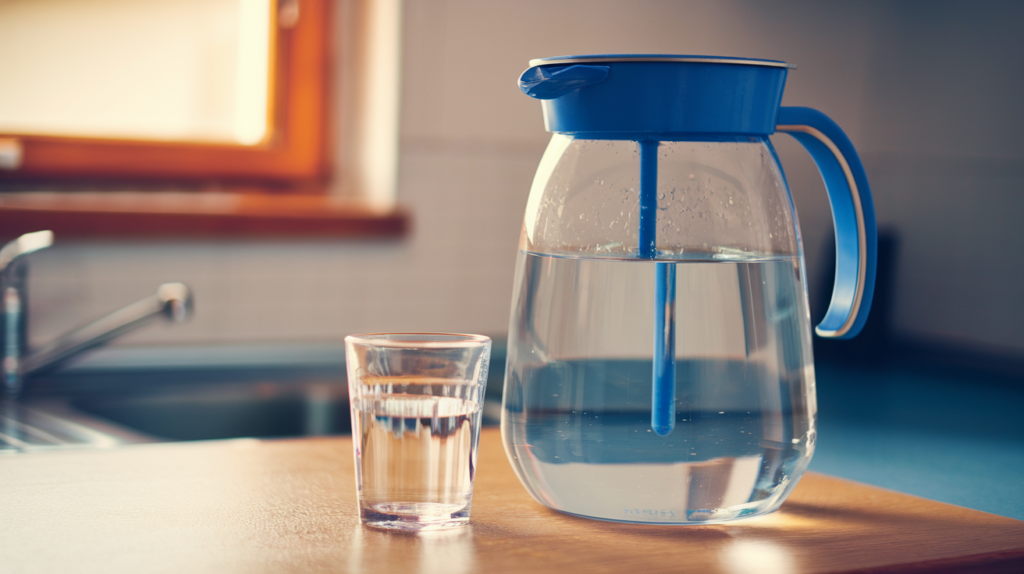
Clean drinking water is fundamental to health, yet tap water quality varies dramatically across regions. Water filter pitchers offer an accessible, no-installation solution for improving water taste and safety. Two brands dominate this space: Brita, the household name that practically created the category, and ZeroWater, the challenger brand that promises superior filtration. After extensive testing and analysis, the choice between these two comes down to understanding what you actually need from your filtered water.
The Filtration Philosophy Divide
Brita and ZeroWater approach water filtration with fundamentally different philosophies. Brita uses a two-stage filtration process that focuses on reducing chlorine taste and odor while maintaining reasonable flow rates. ZeroWater employs a five-stage filtration system that aims to remove virtually all dissolved solids from water, approaching the purity of distilled water.
This philosophical difference manifests in their performance characteristics. Brita filters preserve beneficial minerals like calcium and magnesium, which contribute to taste and provide nutritional value. ZeroWater’s thorough approach strips these minerals along with contaminants, producing water with very low total dissolved solids (TDS) readings.
Brita Elite Filter Pitcher Specifications
- Filtration Stages: 2-stage process
- Filter Lifespan: 120 gallons (Elite filter)
- Cost Per Gallon: Approximately $0.17
- Filtration Rate: 2.92 gallons per hour
- Certifications: NSF/ANSI 42, 53, and 401
- Best For: Chlorine reduction, taste improvement
ZeroWater Filter Pitcher Specifications
- Filtration Stages: 5-stage ion exchange process
- Filter Lifespan: 15-25 gallons (varies by water quality)
- Cost Per Gallon: Approximately $0.70
- Filtration Rate: 2.62 gallons per hour
- Certifications: NSF/ANSI 42 and 53
- Best For: Maximum contaminant reduction, TDS removal
- Included: TDS meter for monitoring filter life
Contaminant Removal Comparison
Independent testing reveals significant differences in contaminant reduction capabilities. ZeroWater consistently outperforms Brita in removing dissolved solids, heavy metals, and various chemical contaminants. In controlled tests, ZeroWater achieved near-complete removal of substances like fluoride, nitrate, and barium, while Brita showed minimal reduction of these same contaminants.
However, this superior filtration comes with trade-offs. ZeroWater’s aggressive filtration also removes beneficial minerals, potentially creating water that some find flat-tasting. Additionally, the thorough filtration process slows down significantly as filters approach the end of their lifespan, whereas Brita maintains more consistent flow rates throughout the filter cycle.
| Contaminant | ZeroWater Reduction | Brita Elite Reduction |
|---|---|---|
| Chlorine | 100% | 100% |
| Lead | 99%+ | 95%+ |
| Fluoride | 100% | 0% |
| Nitrate | 100% | 6% |
| Calcium | 99% | 2% |
| Magnesium | 100% | 0% |
Cost Analysis
The financial comparison between these two systems reveals Brita’s significant advantage in ongoing costs. At roughly $0.17 per gallon, Brita’s Elite filters offer economical operation for typical household use. ZeroWater’s approximately $0.70 per gallon reflects both the more complex filtration media and the shorter filter lifespan.
Filter longevity varies dramatically based on your source water quality. In areas with hard water or high TDS levels, ZeroWater filters may need replacement after just 15-20 gallons, driving costs even higher. Brita filters maintain their rated capacity more consistently regardless of water quality.
Brita Advantages
- Significantly lower operating costs
- Preserves beneficial minerals
- Longer filter lifespan
- Better tasting water for most preferences
- Wider range of pitcher designs
- Established brand with easy filter availability
Brita Limitations
- Limited reduction of many contaminants
- No TDS reduction capability
- Minimal fluoride removal
- Less effective in areas with poor water quality
ZeroWater Advantages
- Superior contaminant removal
- Includes TDS meter for monitoring
- Reduces fluoride and other difficult contaminants
- Excellent for areas with poor water quality
- Plastic-free dispenser options available
ZeroWater Limitations
- Higher upfront and ongoing costs
- Removes beneficial minerals
- Shorter filter lifespan
- Slower filtration as filters age
- Water may taste flat to some users
Practical Usage Experience
Brita pitchers excel in daily convenience. The faster flow rate means less waiting for filtered water, and the longer-lasting filters require less frequent attention. For households primarily concerned with improving taste and removing chlorine, Brita delivers excellent value without complication.
ZeroWater’s included TDS meter adds a layer of transparency that Brita lacks. Users can objectively measure their water quality and know precisely when filters need replacement. However, the slower filtration speed becomes noticeable when filling larger containers or serving multiple people.
Environmental Considerations
Both brands produce disposable filter cartridges that contribute to waste. Brita’s longer-lasting filters mean fewer replacements and less packaging waste over time. ZeroWater’s more frequent replacements increase environmental impact, though the company offers a recycling program for used filters.
From a water waste perspective, neither system produces significant wastewater during filtration, unlike reverse osmosis systems that may discard several gallons for every gallon filtered.
Final Verdict
For most households with municipally treated water, the Brita Elite offers the better overall value. The lower operating costs, better-tasting water, and adequate chlorine removal satisfy the needs of typical users without the expense and mineral stripping of ZeroWater’s approach.
ZeroWater makes sense for specific situations: areas with poor water quality requiring thorough filtration, users specifically concerned about fluoride or other contaminants that Brita doesn’t address, or those who prefer the purity of mineral-free water. The TDS meter provides peace of mind for users who want objective confirmation of their water quality.
Choose Brita for economical, tasty filtered water. Choose ZeroWater when maximum purity matters more than cost or mineral content.
What’s your experience with water filter pitchers? Share your thoughts in the comments.
You Might Also Like
- Best Home & Sleep Reviews – Our complete home & sleep guide
- Best Home & Sleep Reviews: Mattresses, Furniture & Home Essentials
- Cozey Couch Review: Pros, Cons & Verdict
- Health & Wellness – Related reviews
- Beauty & Personal Care – Related reviews