Ford Bronco Review: Off-Road Capability Meets Daily Compromises

The Ford Bronco’s return to the automotive market generated unprecedented excitement, with enthusiasts waiting decades for the iconic off-roader’s revival. Now entering its fourth model year for 2025, the Bronco has transitioned from headline-grabbing comeback kid to established player in the off-road SUV segment. This evolution brings both refinement and controversy, as early production chaos gives way to quality concerns and cooling market demand that have complicated the vehicle’s narrative.

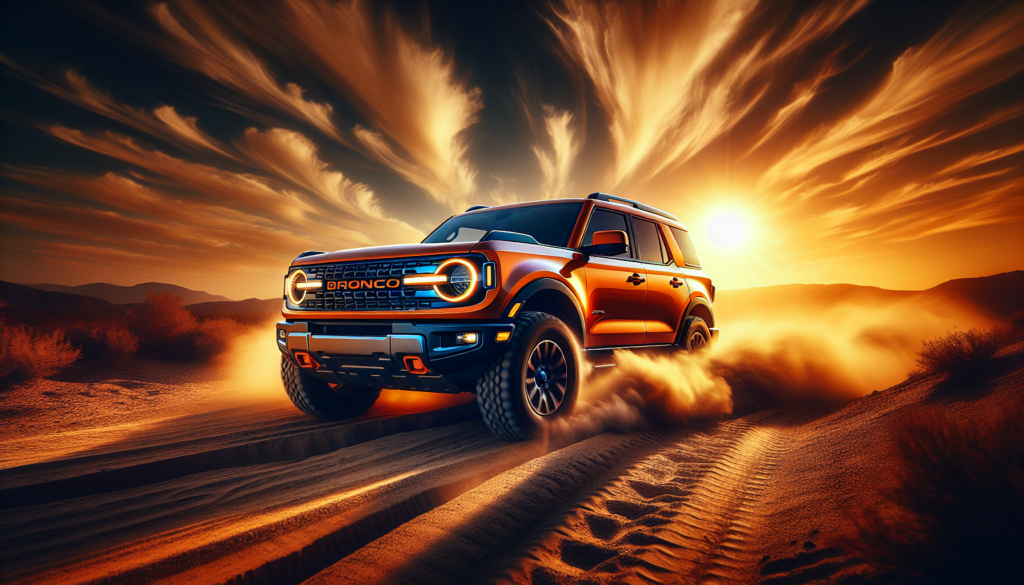
Ford’s resurrection of the Bronco nameplate tapped into deep nostalgia while promising modern capability. The boxy silhouette, round headlights, and rugged styling immediately distinguished it from contemporary crossover SUVs that dominate family driveways. Unlike the Bronco Sport, which shares little with its namesake beyond branding, the proper Bronco delivers genuine body-on-frame construction and serious off-road hardware that honors the original’s legacy.

Powertrain options provide choices for different needs and budgets. The base 2.3-liter EcoBoost four-cylinder delivers adequate power for daily driving, while the optional 2.7-liter V6 brings more confident acceleration and towing capability. Both engines pair with either a seven-speed manual transmission (with a dedicated crawler gear) or a ten-speed automatic, depending on trim level. The manual transmission option particularly delights traditionalists who value driver engagement during off-road adventures.

Off-road capability remains the Bronco’s primary selling point, and Ford engineered this vehicle to compete directly with the Jeep Wrangler for trail supremacy. The available Sasquatch package elevates capability with 35-inch tires, electronic locking differentials, and Bilstein monotube shocks. Ford’s Terrain Management System provides selectable drive modes that optimize throttle response, transmission behavior, and traction control for different surfaces ranging from sand to rock crawling.

The removable doors and roof panels deliver the open-air experience that defines this vehicle class. Unlike the Wrangler’s fully removable doors, the Bronco offers frameless doors that can be stored in the vehicle—a practical solution that acknowledges most owners rarely remove doors in practice. The modular hardtop and available soft top provide options for different climates and preferences.

Vehicle Specifications (2025 Ford Bronco):
Engine Options: 2.3L EcoBoost I4 (300 hp) / 2.7L EcoBoost V6 (330 hp)
Transmission: 7-speed manual or 10-speed automatic
Drive Configuration: 4×4 standard
Ground Clearance: Up to 11.6 inches (Sasquatch package)
Water Fording: Up to 33.5 inches
Towing Capacity: Up to 4,500 pounds
Fuel Economy: 17-20 MPG combined (varies by configuration)
Strengths:

  • Genuine off-road capability matching or exceeding Wrangler
  • Removable doors and roof for open-air driving
  • Available manual transmission
  • Distinctive, iconic styling
  • Modern interior technology
  • Strong resale value historically
Weaknesses:

  • Significant wind and road noise
  • Poor fuel economy
  • Quality control issues reported
  • Hardtop leak problems
  • Stiff ride on pavement
  • High pricing with options

Daily driving compromises emerge as the primary consideration for potential buyers. The Bronco’s off-road focus creates significant noise, vibration, and harshness during highway cruising. Wind buffeting around the removable roof creates constant background noise that requires raised voices for conversation. The Sasquatch package’s aggressive tires generate additional road noise that becomes fatiguing during long drives.

Quality control issues have plagued the Bronco since launch, creating warranty headaches for early adopters. Hardtop leaks represent the most commonly reported problem, with water intrusion potentially damaging interior electronics and creating mold issues. Engine problems have prompted recalls, including concerns about valve systems in the 2.7-liter V6 and various turbo-related issues. These reliability questions have contributed to cooling consumer enthusiasm as the initial hype fades.

Interior quality presents another area of concern. While the design embraces utilitarian functionality appropriate for a vehicle intended to get dirty, materials feel basic for the price point. Hard plastics scratch easily, and some controls suffer from awkward placement necessitated by the removable door design. The available SYNC 4 infotainment system generally functions well but has experienced reported freezing and responsiveness issues.

Metric Ford Bronco Jeep Wrangler Toyota Land Cruiser
Base Price ~$41,000 ~$35,000 ~$57,000
Off-Road Capability Excellent Excellent Very Good
Daily Comfort Fair Fair Good
Fuel Economy 17-20 MPG 17-24 MPG 23 MPG (hybrid)
Reliability Track Record Concerning Mixed Excellent
Convertible Options Removable doors/roof Removable doors/roof No

Market dynamics have shifted significantly since the Bronco’s introduction. Initially, dealer markups and supply shortages created a seller’s market that frustrated buyers but maintained high demand. Current market conditions show oversupply at many dealerships, with Ford offering incentives that would have seemed impossible two years ago. This cooling demand reflects both production catching up with initial backlog and quality concerns dampening enthusiasm.

The Bronco Raptor variant offers extreme off-road capability for those willing to pay premium pricing. This halo model features enhanced suspension travel, more powerful engine tuning, and aggressive styling that commands attention. However, prices approaching $90,000 push the Bronco into luxury territory where competition includes sophisticated alternatives that offer superior on-road refinement.

Trim level selection significantly impacts the ownership experience. Base models provide the essential Bronco experience but lack convenience features modern buyers expect. The Outer Banks trim adds comfort amenities, while Badlands focuses on off-road hardware. Understanding intended usage helps buyers avoid paying for capability they’ll never use—or regretting insufficient equipment for their adventures.

The four-door versus two-door decision carries practical implications beyond aesthetics. The two-door maintains the original Bronco’s proportions and provides better breakover angles for technical off-roading. The four-door offers genuine family utility with usable rear seats and cargo space, making it the practical choice for most buyers despite slight capability trade-offs.

Insurance costs typically run higher than average SUVs, reflecting both the Bronco’s value and its appeal to off-road enthusiasts who may file claims. Replacement parts availability has improved but still lags more common vehicles, potentially extending repair times. Buyers should factor these ownership costs into their budgeting beyond the purchase price.

For prospective buyers, the Bronco delivers exactly what it promises—a capable off-road vehicle that makes daily driving compromises in pursuit of trail capability. Those who prioritize weekend adventures over weekday commuting comfort will find the trade-offs acceptable. Others seeking a do-everything family vehicle may find the noise, ride quality, and fuel costs prohibitive.

The Bronco’s long-term prospects depend on Ford addressing quality concerns while maintaining the authentic capability that differentiates it from crossover pretenders. As competition intensifies from revived competitors like the Toyota Land Cruiser, the Bronco must evolve beyond its nostalgic appeal to prove sustainable value. For now, it remains a specialized tool for specific needs—brilliant in its intended environment, compromised elsewhere.

Comments

Leave a Reply

Your email address will not be published. Required fields are marked *