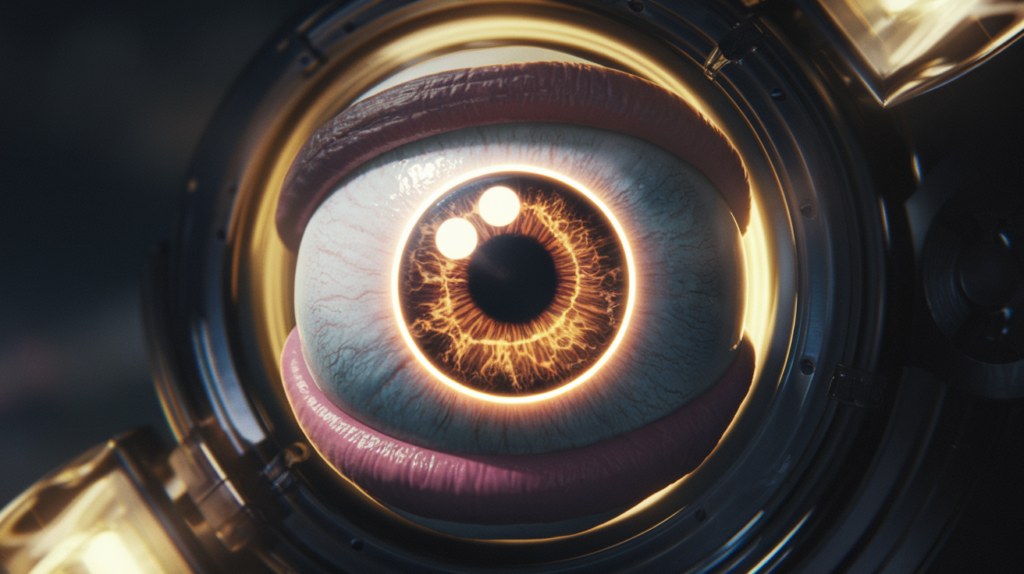
“Poppy Playtime: Chapter 5 – Broken Things” represents a significant milestone for Mob Entertainment, demonstrating the franchise’s evolution from indie horror curiosity to polished narrative experience. This latest installment has generated substantial discourse within the gaming community, with many considering it the series’ strongest entry to date.
Game Quick Facts
- Developer: Mob Entertainment
- Genre: First-Person Horror/Adventure
- Platform: PC (Steam)
- Chapter: 5 (Broken Things)
- Gameplay Focus: Puzzle-platforming with horror elements
- Price Model: Chapter-based purchases
Gameplay Evolution
Chapter 5 marks a deliberate shift in design philosophy, returning to the atmospheric puzzle-platforming that characterized the series’ earlier success while learning from previous missteps. The notorious “Safe Haven” section from Chapter 4—criticized for forcing perpetual running that diminished horror impact—has been replaced with more thoughtfully constructed sequences that balance tension with player agency.
The puzzle design feels more integrated into the environment and narrative than in previous chapters. Rather than arbitrary fetch quests disconnected from the setting, objectives now emerge organically from the Playtime Co. factory’s decaying infrastructure and the player’s relationship with established characters.
Chapter 5 Highlights
- Return to atmospheric horror over action sequences
- Meaningful character development for established figures
- Environmental storytelling that rewards exploration
- Refined puzzle mechanics with logical solutions
- Significant lore revelations advancing the overarching narrative
- Improved pacing suitable for single-session completion
Narrative Progression
The story threads that have woven through previous chapters begin converging in meaningful ways. Character relationships—particularly those involving Poppy herself—develop emotional weight that was largely absent from earlier installments. The narrative stakes feel genuinely elevated, with consequences that resonate beyond immediate survival scenarios.
The “Broken Things” subtitle proves thematically appropriate, addressing damaged relationships, fractured identities, and the literal broken toys that populate the factory. This thematic coherence represents mature storytelling that respects the audience’s investment in the franchise.
Strengths
- Strongest atmospheric horror in the series
- Meaningful character development
- Puzzle-platforming returns to focus
- Satisfying lore progression
- Appropriate runtime for content
- Improved pacing and engagement
- Emotional narrative beats land effectively
Considerations
- AI pathfinding occasionally frustrating
- Formula remains familiar to series veterans
- Individual chapter pricing concerns persist
- Some jump scares feel telegraphed
- Platforming precision occasionally inconsistent
- Requires previous chapter knowledge
Technical Presentation
The uncanny character models and atmospheric lighting that established the series’ visual identity continue improving. Environmental detail within the Playtime Co. facility suggests production values approaching AAA standards, though the indie development roots remain apparent in certain animation limitations.
Sound design deserves particular mention, with audio cues effectively signaling threats while ambient soundscapes maintain tension during exploration sequences. The audio-visual package successfully sustains the uncanny valley discomfort that powers the horror experience.
Series Comparison
| Chapter | Release | Key Characteristics | Reception |
|---|---|---|---|
| Chapter 1 | 2021 | Introduction, Huggy Wuggy, bite-sized horror | Surprise hit, viral success |
| Chapter 2 | 2022 | Expanded scope, Mommy Long Legs | Positive, building momentum |
| Chapter 3 | 2024 | Deep Sleep, atmospheric focus | Acclaimed, fan favorite |
| Chapter 4 | 2024 | Safe Haven, action-heavy | Mixed, frustrating gameplay |
| Chapter 5 | 2026 | Broken Things, narrative focus | Strongest reviews yet |
Community Response
Player reception has been notably enthusiastic, with many longtime fans declaring Chapter 5 the series’ peak achievement. The redemption arc following Chapter 4’s disappointments has generated significant goodwill toward Mob Entertainment, with players appreciating the developer’s responsiveness to community feedback.
The emotional impact of certain character moments—particularly regarding fan-favorite figures—has sparked extensive discussion and theory-crafting within community spaces. This engagement level suggests successful storytelling that resonates beyond surface-level horror thrills.
Pricing and Value Consideration
The chapter-based purchasing model continues generating debate within the community. With each individual chapter representing a significant investment and the complete experience approaching full retail game pricing, value perception varies considerably among players.
Chapter 5 specifically justifies its cost more effectively than its immediate predecessor, offering content density and quality that aligns better with price point. However, the cumulative investment required for the complete narrative remains substantial for an indie horror experience.
Position Within Mascot Horror Genre
“Poppy Playtime” has carved distinct identity within the mascot horror space popularized by “Five Nights at Freddy’s.” Where that franchise emphasizes surveillance and resource management, Poppy Playtime differentiates through first-person exploration and environmental puzzle-solving.
Chapter 5 reinforces this positioning while demonstrating how the formula can support genuine narrative depth. The series now stands as more than “FNAF successor,” having developed unique mechanical and storytelling identity that influences the broader genre.
AI and Enemy Design
Enemy encounters benefit from refined AI behaviors that create more dynamic chase sequences than previous chapters. However, some players report instances of enemies camping positions in ways that feel artificial rather than strategically interesting—a minor frustration that occasionally disrupts pacing.
The variety of threats introduced across the chapter maintains engagement, with each antagonist type requiring distinct tactical approaches. This enemy diversity prevents the horror from becoming routine through repetition.
Final Verdict
“Poppy Playtime: Chapter 5 – Broken Things” succeeds as both individual experience and series culmination. Mob Entertainment has clearly learned from previous missteps, delivering a chapter that honors fan investment while advancing the franchise’s creative ambitions.
The return to atmospheric puzzle-platforming over action-heavy sequences represents welcome course correction. Narrative developments provide satisfying payoff for longtime followers while setting intriguing foundations for future chapters.
Overall Rating: 8.5/10
This rating reflects Chapter 5’s position as the series’ strongest installment, successfully balancing horror atmosphere, puzzle design, and narrative depth. Minor technical frustrations and the cumulative pricing model prevent perfection, but the core experience represents indie horror at its most polished and engaging.
Recommendation: Essential for existing Poppy Playtime fans and recommended for horror enthusiasts seeking atmospheric puzzle experiences. New players should begin with Chapter 1, as narrative comprehension depends on sequential progression. Those who abandoned the series after Chapter 4 should reconsider for this redemption arc.
You Might Also Like
- Best Video Games Reviews – Our complete video games guide
- Best Video Game Reviews 2026: From Hogwarts to God of War
- Hogwarts Legacy Review: Pros, Cons & Verdict (2025)
- Movies & TV – Related reviews
- Electronics & Tech – Related reviews