Quick Facts
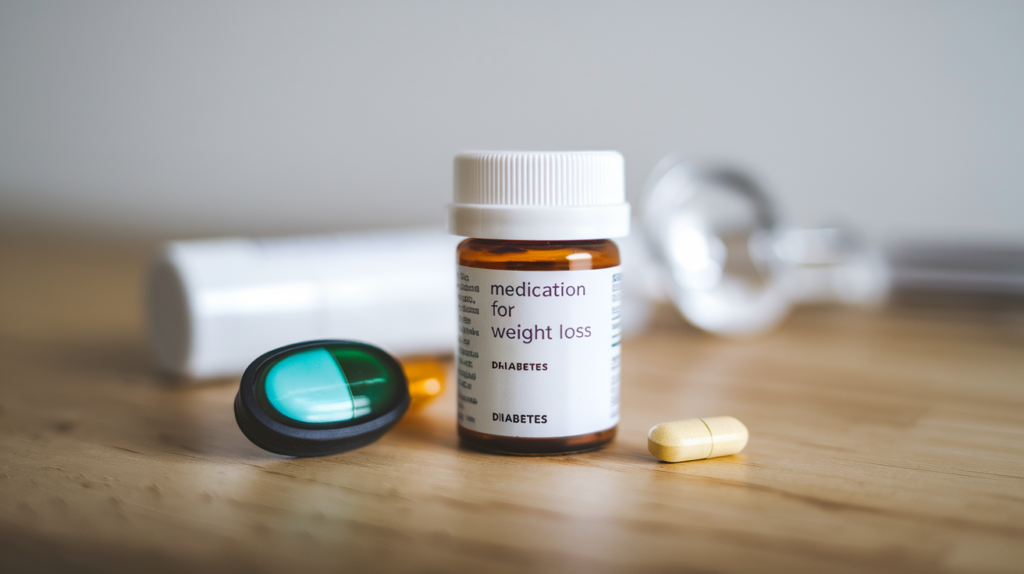
| Medication | Ozempic (semaglutide) |
|---|---|
| Drug Class | GLP-1 receptor agonist |
| Original Purpose | Type 2 diabetes management |
| Off-Label Use | Weight loss |
| Administration | Weekly injection |
| Availability | Prescription required |
The transformation seems almost miraculous: significant weight reduction, reduced inflammation, and for some, relief from chronic conditions that previously resisted treatment. But emerging reports of serious complications and deaths linked to Ozempic and similar medications demand a clear-eyed examination of both benefits and risks. This analysis explores what current evidence reveals about these increasingly popular weight loss drugs.
The Science Behind the Hype
Semaglutide, the active ingredient in Ozempic, mimics a naturally occurring hormone called GLP-1 that regulates appetite and blood sugar. Originally developed for type 2 diabetes management, researchers quickly noticed a side effect that would transform the drug’s public profile: patients lost substantial weight.
This discovery led to expanded research and eventual approval of higher-dose versions specifically for weight management. The mechanism is straightforward enough—the medication slows gastric emptying and signals satiety to the brain, reducing hunger and caloric intake. For many users, the results prove dramatic and life-changing.
Beyond Weight Loss: Expanding Applications
Medical researchers continue discovering potential applications beyond diabetes and obesity. Early studies suggest promise for treating drug addiction, managing early-onset Alzheimer’s symptoms, and addressing cardiovascular risk factors. Some experts compare the medication’s potential transformative impact to the discovery of antibiotics—hyperbolic perhaps, but indicative of genuine enthusiasm within the medical community.
One particularly compelling case involves patients with lipedema, a painful condition characterized by abnormal fat accumulation. For these individuals, traditional weight loss methods often fail, yet GLP-1 medications can provide dramatic relief from both physical symptoms and associated metabolic complications.
Conditions Being Investigated
- Drug and alcohol addiction
- Early-onset Alzheimer’s disease
- Cardiovascular disease prevention
- Polycystic ovary syndrome (PCOS)
- Lipedema and related conditions
The Darker Side: Serious Risks Emerge
For all the transformative potential, accumulating evidence suggests these medications carry risks that early adopters may not have fully understood. Case reports document severe gastrointestinal complications including pancreatitis, gastroparesis, and intestinal obstruction. Some patients require hospitalization; others experience permanent damage.
Particularly concerning are reports of fatal outcomes. While causality remains difficult to establish definitively, families of deceased patients describe patterns: sudden onset of severe abdominal pain, medical evaluation that fails to identify the cause, and rapid deterioration. Regulatory agencies have begun investigations, but definitive answers remain elusive.
The Addiction Paradox
Perhaps most troubling is evidence that these medications designed to treat addiction may themselves prove addictive. Patients report intense anxiety at the prospect of stopping treatment. Some continue using despite serious side effects, unable to tolerate the weight regain that typically follows cessation.
This creates a troubling bind: the medication works, often spectacularly well, but may require indefinite continuation to maintain results. For a drug with documented serious risks, the prospect of lifetime use raises ethical and medical questions that remain incompletely answered.
Regulatory Response and Access
Health authorities worldwide grapple with appropriate oversight. Some jurisdictions have restricted prescriptions to specific patient populations. Others emphasize improved patient education and monitoring. The tension between allowing access to a genuinely helpful medication and protecting public health creates ongoing policy challenges.
Compounding the problem, online pharmacies and telemedicine services sometimes provide prescriptions with minimal medical oversight. Simple questionnaires and brief video consultations may suffice to obtain these powerful medications, raising concerns about whether patients fully understand what they’re undertaking.
Risk-Benefit Analysis by Patient Profile
| Patient Type | Potential Benefits | Risk Level |
|---|---|---|
| Type 2 diabetic with obesity | High | Moderate (justified) |
| Obese without comorbidities | Moderate-High | Moderate |
| Mildly overweight | Low | Potentially unjustified |
| History of GI issues | Variable | High |
| Post-bariatric surgery | Variable | Contraindicated |
Documented Benefits
- Substantial weight loss (15-20% body weight typical)
- Improved glycemic control
- Reduced cardiovascular risk markers
- Potential benefits for addiction disorders
- Relief from weight-related joint pain
Established Risks
- Pancreatitis (potentially life-threatening)
- Gastroparesis and intestinal obstruction
- Gallbladder disease
- Thyroid tumors (animal studies)
- Psychological dependence
- Unknown long-term effects
What Patients Should Consider
Anyone considering Ozempic or similar medications should approach the decision with appropriate seriousness. This means comprehensive medical evaluation, discussion of personal risk factors, and clear understanding that stopping the medication typically results in weight regain.
Questions to ask providers include: What are my specific risk factors? What monitoring will occur during treatment? Under what circumstances should I stop taking the medication? What alternatives exist? The best medical relationships involve genuine shared decision-making rather than passive acceptance of prescriptions.
The Bigger Picture
These medications arrive in a culture obsessed with thinness yet increasingly struggling with metabolic disease. They offer genuine hope to many while potentially exposing others to harm. Neither uncritical enthusiasm nor reflexive rejection serves patients well.
The history of weight loss interventions—fen-phen, ephedra, and countless others—cautions against premature confidence. Medications initially celebrated as breakthroughs sometimes prove dangerous with extended use. Whether GLP-1 drugs follow this pattern or represent a true advance remains to be seen.
Final Verdict
Rating: 3/5 (as weight loss intervention)
Ozempic and similar medications represent a genuine medical breakthrough for specific populations—primarily those with type 2 diabetes and significant obesity. For these patients, benefits likely outweigh risks under proper medical supervision.
However, the rush to prescribe for cosmetic weight loss or mild overweight represents a concerning trend. The serious side effects, unknown long-term implications, and challenges of discontinuation suggest these medications should be reserved for those with genuine medical need rather than deployed as a quick fix for aesthetic concerns.
Patients considering these drugs deserve honest conversations about both benefits and risks. The current marketing and social media hype often obscures the genuine concerns that should inform medical decision-making. These are powerful medications, not cosmetic procedures, and they should be approached with appropriate caution.
Have you or someone you know used Ozempic for weight loss? What was the experience like? Share your perspective in the comments below.
You Might Also Like
- Best Health & Wellness Reviews – Our complete health & wellness buying guide
- Best Health & Wellness Reviews: Supplements, Fitness & Medical Services
- Is Lean Drops Reviews Worth It?